GAMEPLAY SYSTEMS
28Movement6
Combat6
Physics5
AI & Navigation5
Progression & Economy6
Terminal-Bench for interactive software
Give agents a game. Grade the engineering.
A Godot-first Terminal-Bench-style runner for coding agents that design, build, debug, and repair interactive software inside task workspaces.
Terminal task, runtime proof
GamePhanes starts from a task workspace, records the Agent's terminal work, launches the modified project, probes runtime behavior, and returns deterministic feedback.
Benchmark taxonomy
Domains describe where the work happens. Task types separately describe whether the Agent fixes, builds, debugs, optimizes, or delivers.
Public task registry
Open each task to inspect its exact instruction, run command, success criteria, runtime evidence, and evaluator boundary.
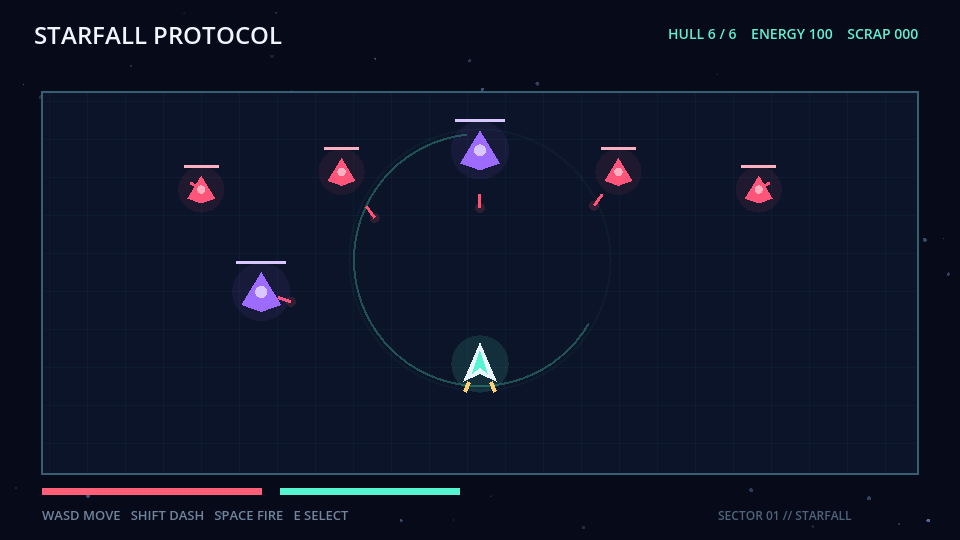
Survive the drone encounter, choose a protocol, and defeat the Oracle in an original 8–12 minute Godot slice.
Sprint through an electric skyline, phase-jump, and chain three energy shards into the relay.
Restore the phase jump without breaking shard collection or relay completion.
Reposition a field transmitter and burn threats from a living radio map.
Reverse polarity, stabilize an energy core, and unlock the sealed chamber.
Spend carefully, place two towers, and hold the miniature keep until dawn.
Enter a low-poly breach, strike its warden, and stabilize the dimensional ring.
Verify movement, jumping, coin collection, and score updates in a compact Godot project.
Public task environments
Each slice is a reference workspace with a runtime harness, observable state, and deterministic score for coding-agent evaluation.
Survive the drone encounter, choose a protocol, and defeat the Oracle in an original 8–12 minute Godot slice.
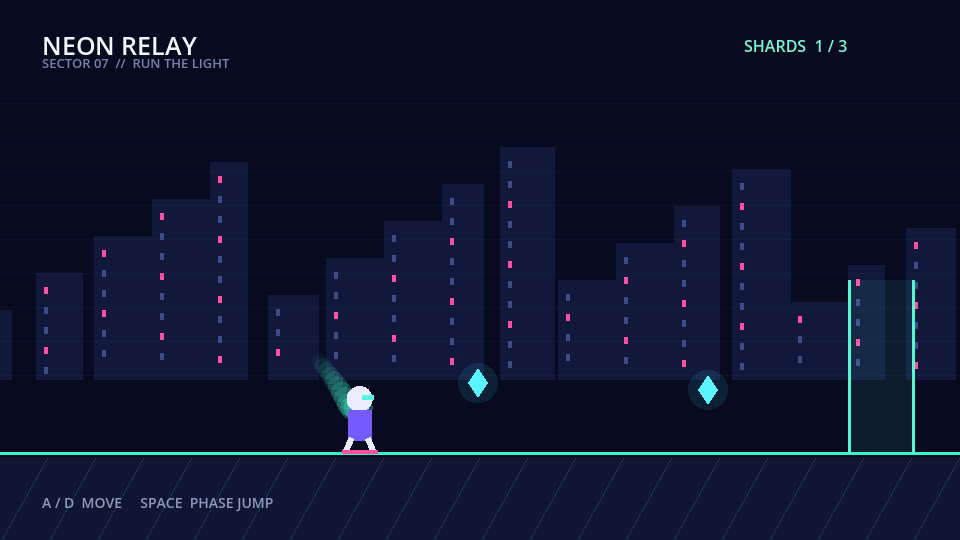
Sprint through an electric skyline, phase-jump, and chain three energy shards into the relay.
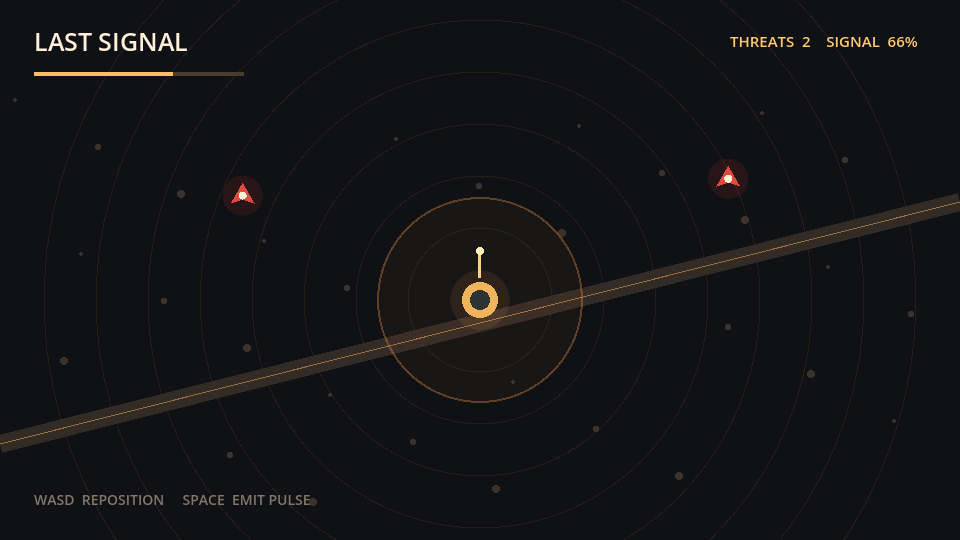
Reposition a field transmitter and burn threats from a living radio map.
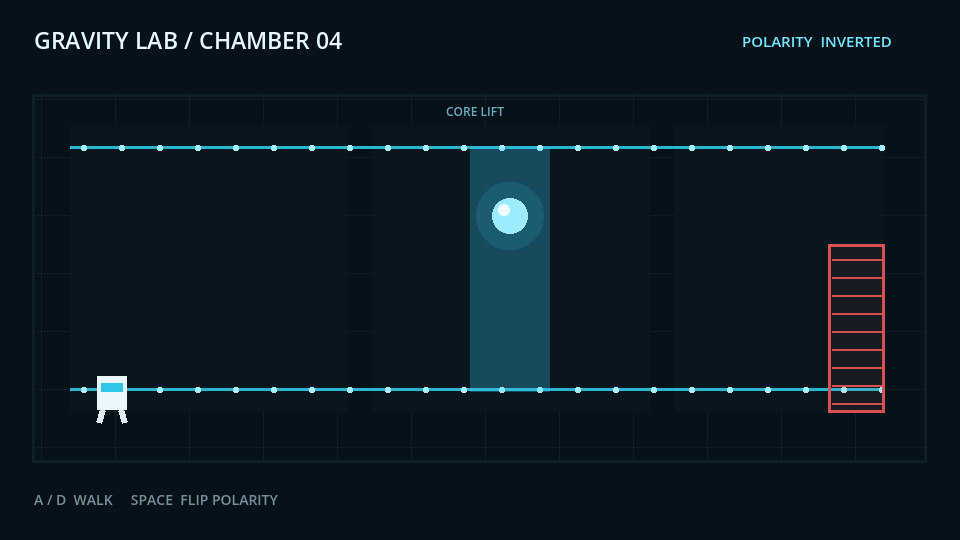
Reverse polarity, stabilize an energy core, and unlock the sealed chamber.
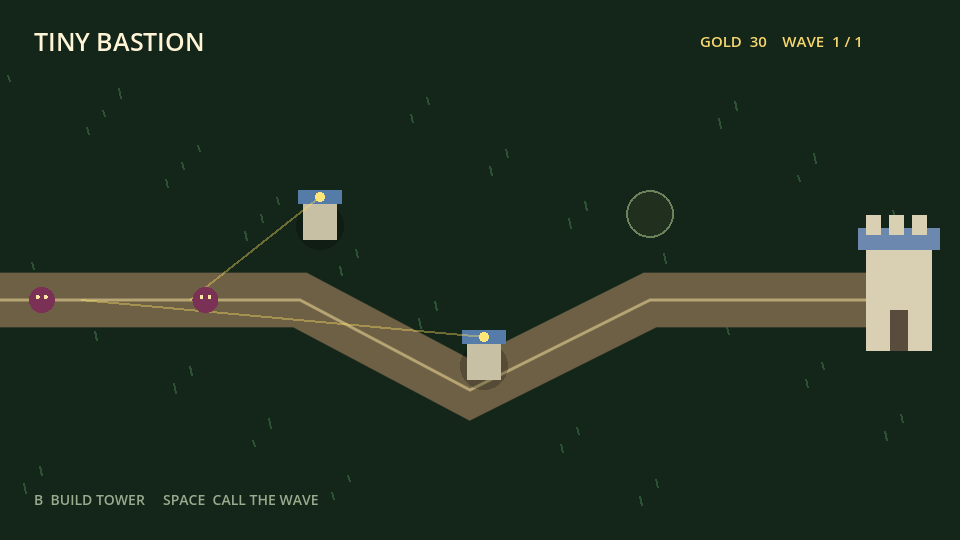
Spend carefully, place two towers, and hold the miniature keep until dawn.
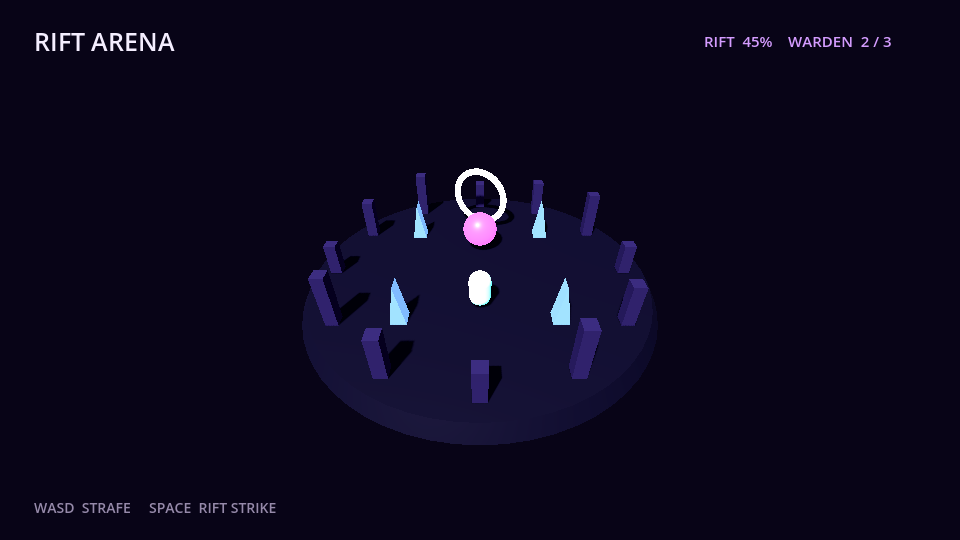
Enter a low-poly breach, strike its warden, and stabilize the dimensional ring.
Terminal task lifecycle
Designed for terminal agents
Every task starts from a declared project state and can be reset without changing the benchmark source.
provision(task)
Record every command, stdout, stderr, exit code, file change, and cost in the coding trajectory.
{ command, stdout, exit_code }
Launch the modified project, drive controlled probes, and grade state, events, logs, and interaction results.
runtime -> assertions -> score
Hidden harnesses, seeds, and assertions measure the delivered project without exposing benchmark answers.
task@version -> hidden score
Terminal commands, patches, runtime feedback, failures, retries, and costs form repair trajectories.
{ terminal, patches, feedback, score }
Asset engineering
Every asset can carry its source, license, files, and runtime metadata before an Agent places it in a scene.
Machine-readable proof
Store it, compare it, or use failures as the next repair prompt.
{
  "task_id": "platformer_basic_001",
  "build_success": true,
  "runtime_success": true,
  "functional_score": 1,
  "total_score": 1
}
Roadmap
Open contract. Sealed workspace. Real runtime score.